Home › Costs and guides › Basement mold prevention
GuideBasement mold prevention
Mold needs moisture and something to feed on. Take away the moisture and the basement stops being a place where it grows.
Where basement moisture comes from
- Water entering through walls, cracks and the floor joint.
- Humid air: central Ohio summers are muggy, and that air condenses on cool basement surfaces.
- Inside sources: unvented dryers, open sump pits, drying laundry.
Prevention, in order
- Stop the water. Fix leaks first; no dehumidifier keeps up with a wet wall. See wet basement solutions.
- Control humidity. Many guidelines suggest keeping indoor humidity roughly between 30% and 50%. A whole-basement dehumidifier with a drain line does it without buckets.
- Seal the sump pit. An open basin adds moisture to the air.
- Vent the dryer outside and check the duct for leaks.
- Store smart. Plastic bins on shelves, not cardboard boxes on the floor.
- Finish carefully. Keep framing off damp walls and use moisture-tolerant materials near the floor.
Early signs
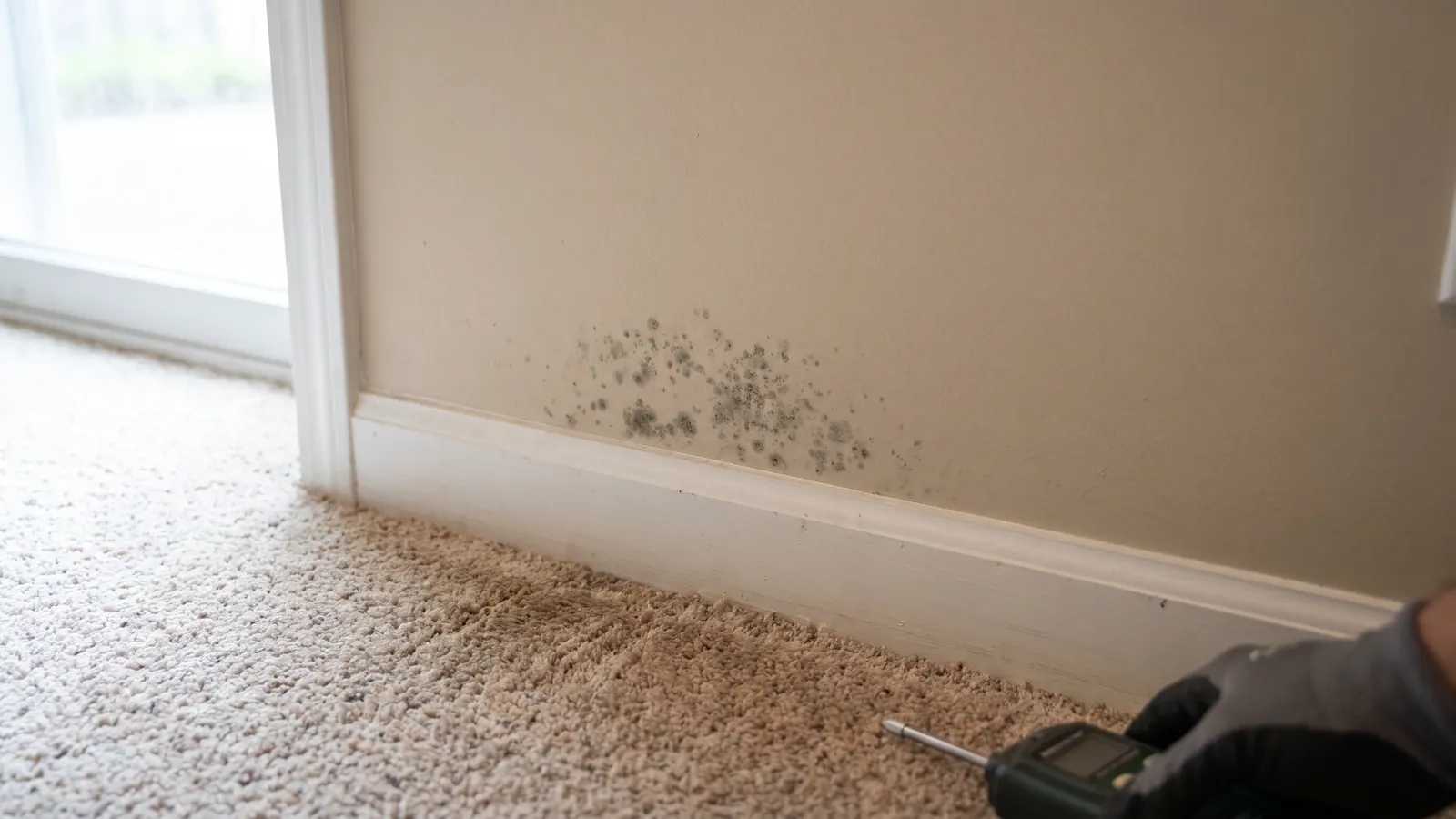
A musty smell, small dark spots near the floor on drywall or wood, mildew on stored items and condensation on cold pipes. Clean small spots and fix the moisture behind them. Large areas of growth, or growth inside walls, are a job for a mold remediation specialist; we handle the water side.
Questions
Will a dehumidifier stop mold?
It removes the humidity mold needs, as long as water isn't actively coming in.
Do you remove mold?
No. We fix the water and humidity behind it. Significant mold growth should be handled by a remediation specialist.
More reading: all costs and guides · FAQ